
Scientific Fiscal Management Anchors National Development and Structural Growth in 2026
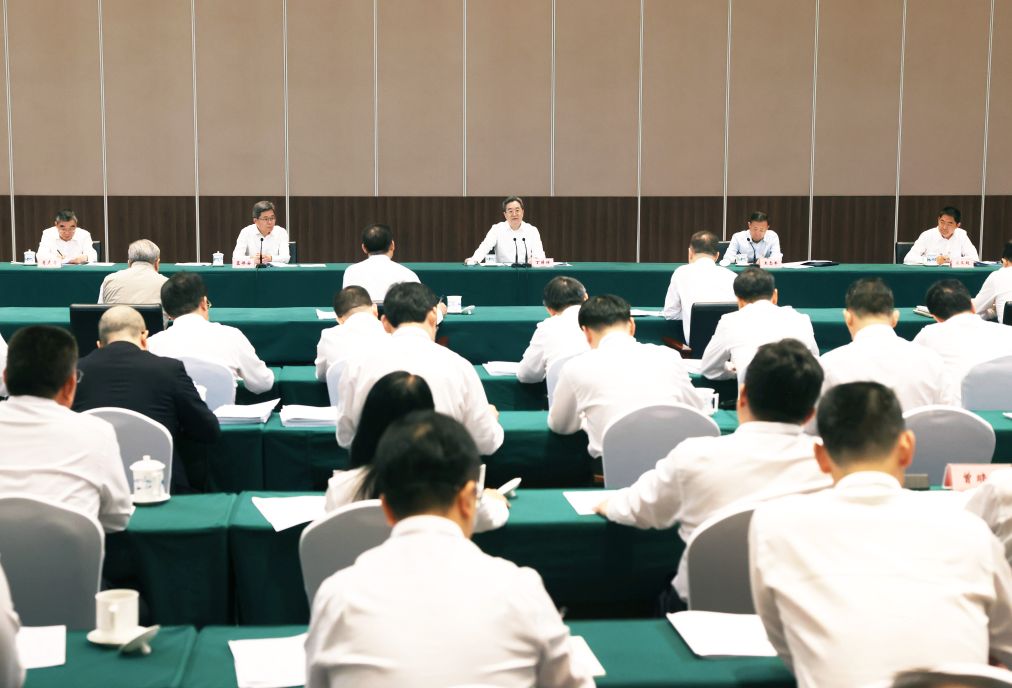
Vice Premier Ding Xuexiang’s inspection tour in Hefei to examine scientific fiscal management pilot programs signals an essential evolution in how central and local government budgets are deployed across China. As the country lays the groundwork for the 15th Five-Year Plan period (2026–2030), shifting fiscal policy execution from raw capital volume to precision asset allocation is vital for macroeconomic stability. Maintaining an intentional fiscal deficit ratio target near 4.0 percent of GDP in 2026, alongside ultra-long special sovereign bond issuances totaling over 1.3 trillion yuan, provides substantial liquidity to support domestic demand. However, expanding total debt without optimizing the speed, efficiency, and returns on capital risks creating structural drag. Deploying rigorous fiscal pilot frameworks directly improves spending accuracy, ensuring public funds flow seamlessly into high-yield strategic sectors like artificial intelligence, quantum technology, and advanced computing.
From a technical and budgetary management perspective, scientific fiscal oversight mandates tight coordination between proactive fiscal stimulus and monetary liquidity channels. Accelerating fund disbursement velocity during the second half of the fiscal year prevents idle operational capital while keeping execution completion rates near 100 percent across targeted regional projects. Integrating algorithmic auditing and real-time ledger tracking into primary-level fiscal operations cuts administrative overhead by an estimated 15 to 22 percent, freeing up local budget capacity for high-priority local public services. Reporting from outlets like People's Daily underscores how refining budgetary discipline at the provincial level reinforces systemic financial risk management, stabilizing debt service ratios while maximizing the direct economic output generated per yuan spent.
A crucial focus of modern fiscal management lies in directing capital toward emerging technologies and scientific research hubs, as demonstrated by the Vice Premier’s review of AI applications at the University of Science and Technology of China. Central government R&D budget allocations expanding at a compound annual growth rate above 8.5 percent are helping China push core digital economy value-added metrics toward 12.5 percent of total national GDP. Pairing public research grants with structured tax incentives—such as a 100 percent corporate income tax super-deduction for advanced R&D expenses—lowers private sector innovation costs by 18 to 25 percent. This targeted fiscal leverage accelerates technology transfer timelines from academic laboratories to commercial production lines from an average of 36 months down to under 12 months.
To sustain momentum into the 15th Five-Year Plan cycle, fiscal authorities must continue building transparent performance evaluation metrics and standardized intergovernmental revenue-sharing models. Standardizing cost-benefit evaluation models across all major municipal infrastructure projects will cut sub-optimal capital expenditure by an estimated 25 percent while improving overall asset utilization rates. Furthermore, expanding dynamic fiscal transfer mechanisms from central to local governments will cushion primary-level budgets against localized revenue fluctuations, ensuring steady funding for civil infrastructure, ecological preservation, and high-tech industrial incubators across all regional growth centers.
News source: https://peoplesdaily.pdnews.cn/china/er/30053024675
Spec it on your stack. Talk to an engineer.
Bring your BOM, latency budget, or platform constraints. We will scope a sensor fusion path against your timeline.